
Kitchen Gardening 101
We know vertical gardening, container gardening, and just gardening, so, what is kitchen gardening?
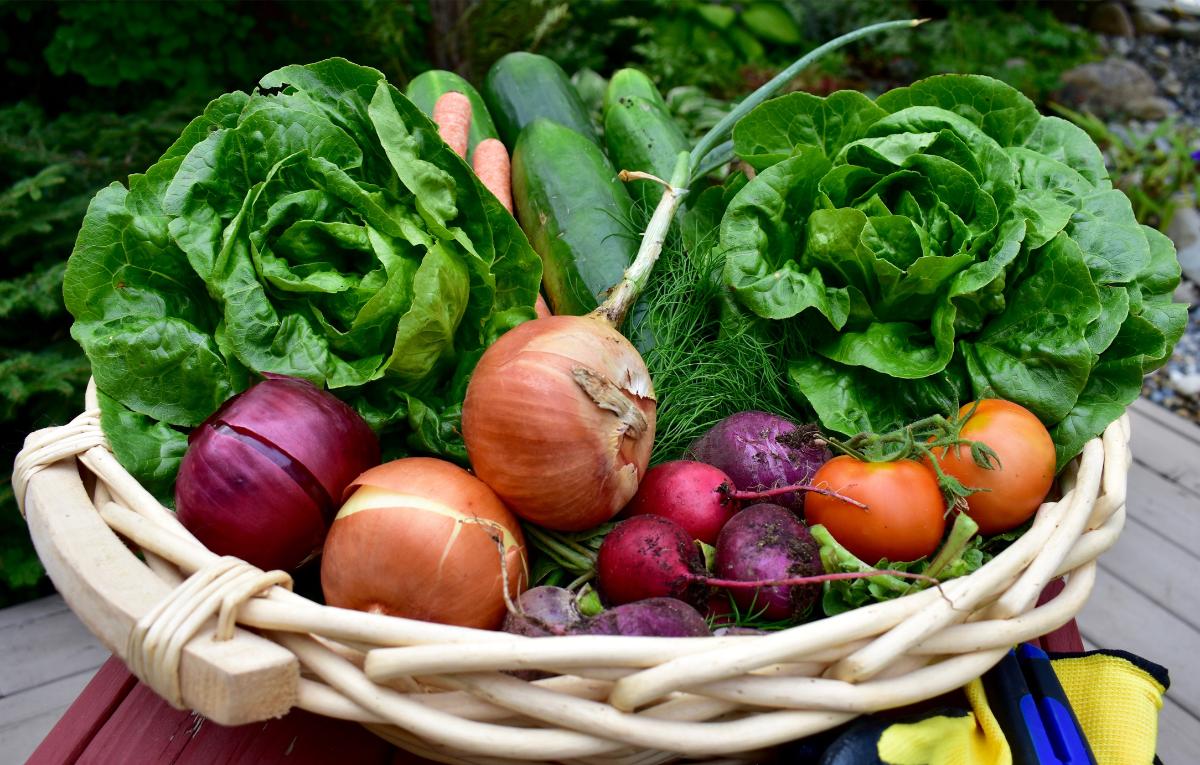
Simply put, a kitchen garden is one dedicated to providing you with the best herbs, vegetables, fruits, and whatever your dinner table needs!
It’s not that different from a regular garden but it’s much less work. There aren’t rows of corn or tomatoes, lots of digging, or a lot of work.
If you’ve been thinking about gardening but feared how it can be too much labor, learning kitchen gardening might just be for you!
The Benefits of a Kitchen Garden
There are many benefits to starting your kitchen garden, including the following:
1 – Fresh, Organic Produce
The ability to grow fresh, organic vegetables and herbs right at your doorstep has always been one of the most significant benefits of having a kitchen garden.
You see, the produce you harvest from your garden is often more nutrient-dense when compared to store-bought options.
Most importantly, growing your produce gives you complete control over what goes into your food.
That means you don’t have to treat your crops with pesticides, herbicides, and other chemicals as they can be harmful.
2 – Cost Saving
Another appealing benefit of kitchen gardening is the potential to reduce your grocery bills!
While there are some initial costs associated with setting up a garden, such as purchasing soil, seeds, and tools, these investments often pay for themselves in the long run.
For example, herbs like basil, mint, and parsley can be expensive to buy fresh at the store but are relatively easy and inexpensive to grow at home!
3 – Environmentally Friendly
Starting a kitchen garden is a simple yet effective way to reduce your carbon footprint.
When you cultivate your own crops, you eliminate the need for so many things that could be harming our planet.
For instance, you eliminate the need for transportation, packaging, and storage associated with commercially grown produce.
Additionally, you can further minimize your environmental impact by using sustainable gardening practices, such as composting kitchen scraps and using organic fertilizers!
How to Start Kitchen Gardening
So, are you interested in reaping all the previous benefits? If your answer is yes, here’s how you can start your little kitchen garden:
1 – Choose the Right Spot
When starting your kitchen garden, you must decide if you want it inside or outside.
Growing plants indoors offers the convenience of easy access and protection from hard weather conditions.
However, indoor gardens may require more attention to ensure the plants are receiving enough light, especially if natural light is limited.
On the other hand, outdoor gardening allows your plant to enjoy natural conditions, like sunlight and rain.
Sadly, this also means the plants are more exposed to the elements, pests, and potentially unpredictable weather.
Moreover, whether gardening indoors or outdoors, place your plants in a sunny spot to ensure they get the light they need to flourish.
2 – Select the Plants
Not all plants are right for a kitchen garden. Some plants require more space, specific conditions, or extensive care that may not be ideal for beginners or those with limited space.
The answer here is to start with easy-to-grow herbs and vegetables. They’re generally resilient and forgiving, making them perfect for beginners.
You should plant basil, mint, lettuce, and tomatoes to name a few. Also, while selecting the plants, think about what you cook and eat most often.
Growing herbs and veggies you frequently use in the kitchen ensures that your garden will be practical and rewarding!
3 – Gather Essential Supplies
Choosing the right containers is key to the success of your kitchen garden, especially if you’re gardening indoors in a small outdoor space.
Containers should have good drainage to prevent water from pooling at the bottom, which can lead to root rot. The size is also important! The larger plants need bigger pots to accommodate their root systems!
Next, the foundation of a healthy garden: Nutrient-rich soil. When starting your kitchen garden, choose a high-quality potting mix that’s well-draining and rich in organic matter.
Remember, if you’re growing in containers, don’t use garden soil as it can be compacted and may not provide the right balance of nutrients.
For outdoor garden beds, consider enriching the soil with compost or other natural fertilizers to boost its fertility.
Final Thoughts
So, what is kitchen gardening? The name might be slightly tricky, but it doesn’t simply mean gardening in your kitchen—though you definitely can.
It’s more about planting what your kitchen needs. Kitchen gardening offers you fresh, delicious produce and lowers your future grocery bills.
All it takes is a little bit of work and dedication, and soon, you’ll have a thriving garden that supplies your kitchen with the best homegrown ingredients!

Growing up with a mom who filled her home (inside and out) with all sorts of plants, Lisa got her start in gardening at a young age. Living now on her own with a home and yard full of plants (including an indoor greenhouse), she shares all the gardening tips she’s gained over the years.