
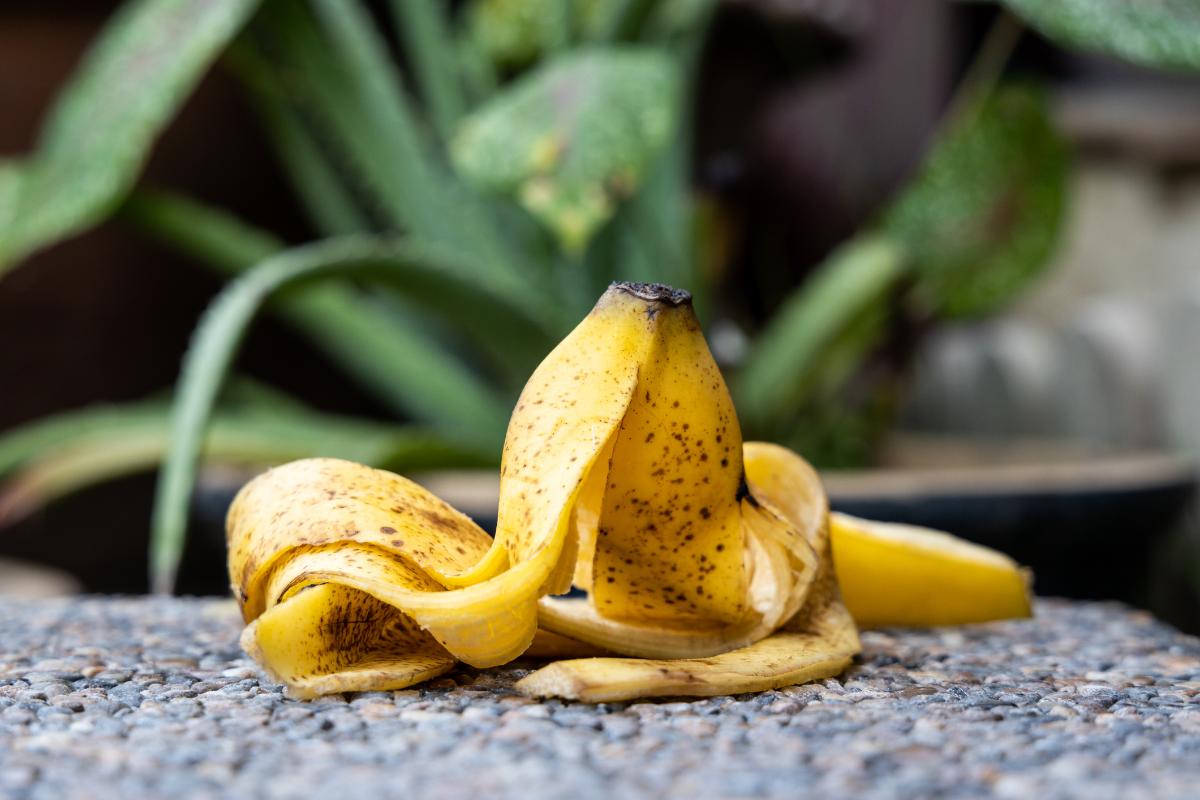
Using Banana Peels as a Natural Fertilizer
After enjoying a sweet banana, what do you do with the peel? The correct answer would be to throw it out.
The great answer, though, is to use banana peels as a natural fertilizer for your garden!
We’re always trying to help our gardens grow and flourish by adding the necessary fertilizers to the soil.
Yet, it doesn’t have to be synthetic or store-bought; you could use some stuff from your kitchen or the garden itself!
How so, you might ask? Read on to find out!
How to Use Banana Peels as Natural Fertilizers
Once you’ve collected a couple of banana peels, pick your favorite method from below, and follow it:
1 – Direct Application
One of the simplest ways to use banana peels as fertilizer is by chopping them into small pieces and adding them directly into the soil.
To ensure this method works as needed, cut the peels into smaller pieces to make it easier for them to decompose in the soil and release their nutrients.
Also, don’t leave the banana peels on top of the soil. It’s better to dig two to four inches deep holes, place the peels inside, and cover them with soil again.
This will help keep the peels from attracting pests and help the decomposition process!
2 – Banana Peel Tea
While the name might have tea, it’s not for us to drink! Banana peel tea is a simple and effective way to create a liquid fertilizer that your plant can easily absorb.
The one drawback to this method is that it can take some time before it’s functional.
You must first collect a few banana peels and cut them into smaller pieces to help ease the process. Next, place the chopped pees in a jar and fill it with water.
Let the peels soak for at least one week before you use it. Later, remove the peels and add some water to the mixture so it’s not too acidic for your plants.
Add the liquid to a spray bottle and spray at the base of your plants.
3 – Compositing
Banana peels are an excellent addition to your compost pile or bin!
They decompose quickly and add valuable nutrients to the compost, which can then be used to help your garden’s soil.
Similar to the previous options, you should cut the peels into smaller pieces before dropping them in your compost.
Other Natural Fertilizers You Can Use
There are other options for those of you who don’t eat bananas that much. For instance, you can use:
1 – Eggshells
Eggshells are a fantastic source of calcium, an essential nutrient that plays a crucial role in plant growth and development.
Now, how do you use eggshells as fertilizers? Easy! Rinse the egg shells thoroughly and allow them to dry.
Once dried, crush the eggshells into smaller pieces or grind into a fine powder. Finally, sprinkle the eggshells directly around the base of your plants and mix them with the soil, or add them to your compost bin.
2 – Coffee Grounds
Coffee grounds are a popular fertilizer due to their high nitrogen content, essential for plant growth.
Similarly to the eggshells, you can sprinkle the coffee grounds directly onto the soil and mix them in or add them to your compost bin.
3 – Grass Clippings
What if you hadn’t had any eggs and coffee for breakfast this morning? What are you going to use as a fertilizer? Well, there’s always grass clippings!
Grass clippings are one of the most accessible and effective natural fertilizers to use in your garden.
After mowing your lawn, spread a thin layer of grass clippings around the base of your plants.
This mulch helps to retain soil moisture by reducing evaporation, suppresses weed growth by blocking sunlight, and gradually decomposes, releasing nutrients back into the soil.
Final Thoughts
Using banana peels as a natural fertilizer in your garden is one of the best ways to help your garden while staying organic.
You can add them directly to the soil after chopping them into pieces, make tea out of them, or drop them in your compost pile.
Other natural fertilizers you can use include eggshells, coffee grounds, and grass clippings. All can be added directly to the soil or your compost bin.

Growing up with a mom who filled her home (inside and out) with all sorts of plants, Lisa got her start in gardening at a young age. Living now on her own with a home and yard full of plants (including an indoor greenhouse), she shares all the gardening tips she’s gained over the years.